Skip to content

The Feng Shui Solution

Improving Lives With Classical Feng Shui Since 1997

The Difference between
Classical Feng Shui
and
Compass Feng Shui

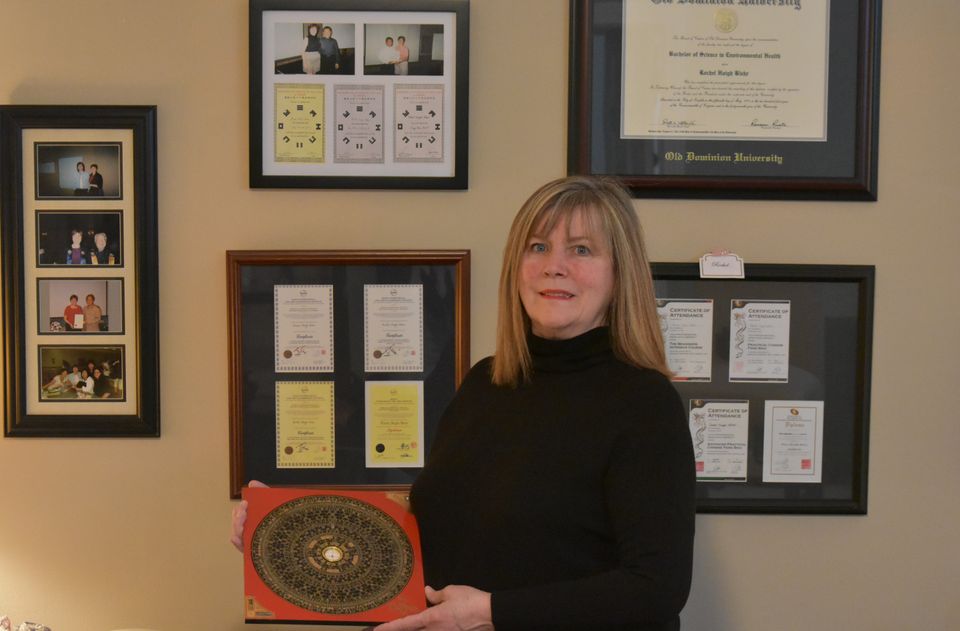
Feng shui master consultant w lopan

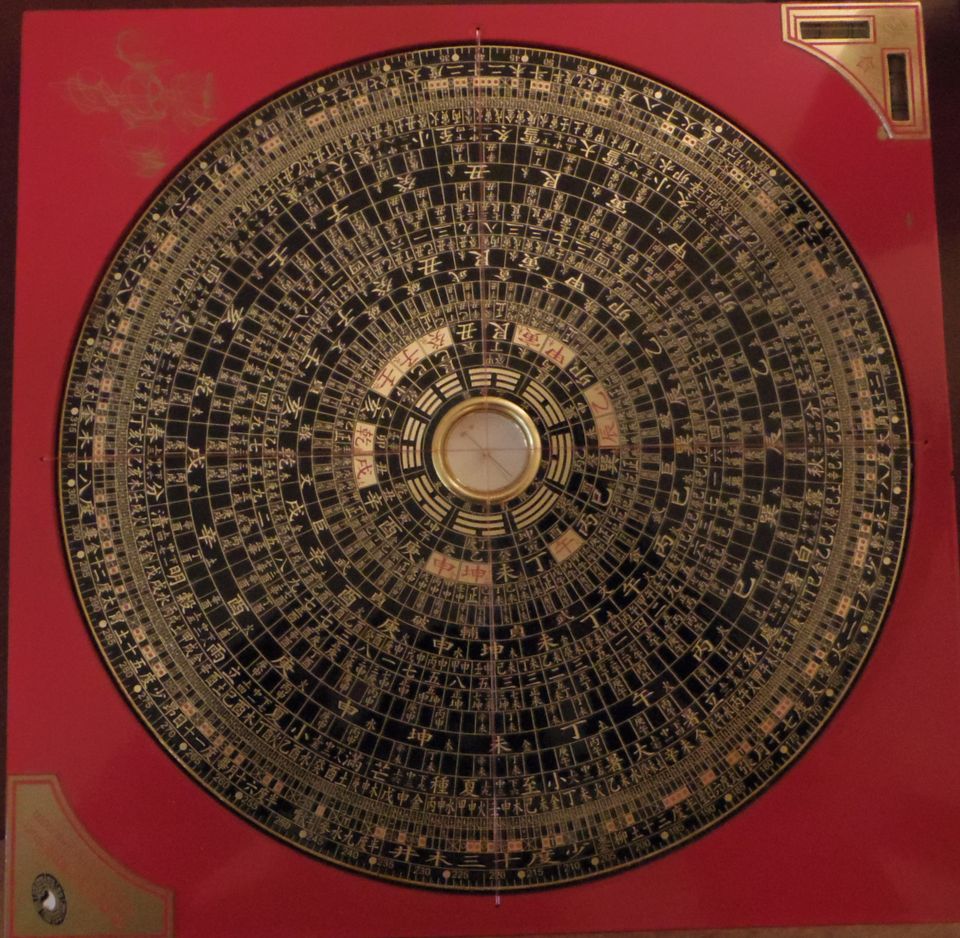
About Classical Feng Shui

Also called: Traditional Feng Shui, Authentic Feng Shui
Origin: Ancient Chinese geomancy practices dating back thousands of years.

Key Characteristics Uses both Form and Compass Schools together

Classical Feng Shui incorporates:
  • Form School (landforms, mountains, water, building shape)
  • Compass School (Lo Pan compass readings + time-based formulas)
Considers Time Cycles
  • Uses systems like Flying Stars (Xuan Kong Fei Xing), which change yearly, monthly, and in 20-year cycles.
  • Time dimension is essential for determining auspicious and inauspicious energies.
Focuses on Qi flow from the environment
  • External environment is key: mountains, water, roads, land shapes.
Methods Used
  • Flying Stars
  • Eight Mansions (Ba Zhai)
  • Xuan Kong Da Gua
  • San He / San Yuan formulas

Purpose
To analyze how environmental Qi affects people over time, and how to place doors, beds, stoves, etc., to harmonize with natural energy.
Contact Rochel
Lopan

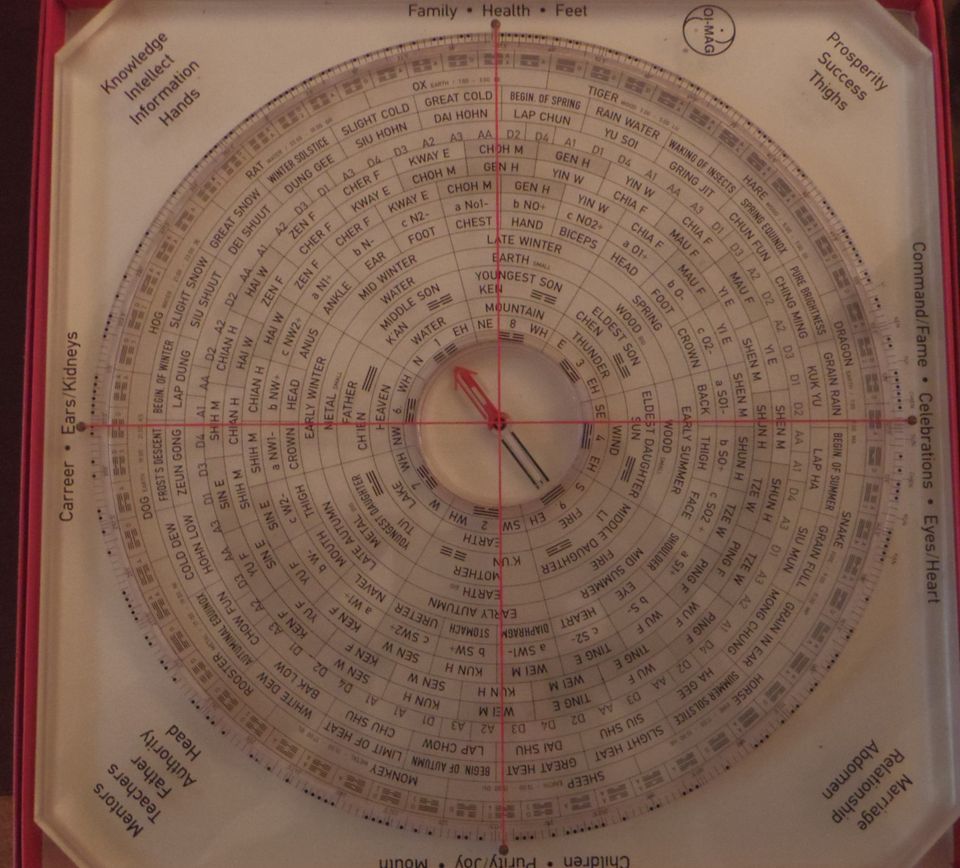
About Compass Feng Shui

Also called: Modern Feng Shui, BTB-influenced Compass Feng Shui
Origin: Often a simplified, modernized version derived from classical compass ideas.
Key Characteristics:

1.) Relies primarily on compass directions
  • Uses the eight cardinal directions and assigns meanings (e.g., North = career, South = fame).
  • Often uses static direction-based bagua maps.

2.) No time dimension
  • Does not typically consider Flying Stars or time-based qi shifts.

3.) More standardized and simplified
  • The same directional bagua is applied to many homes regardless of the environment.
Methods Used:
  • Direction-based Eight Aspirations Method (Life Areas Bagua)
  • Simple compass reading to determine sectors

Purpose:
To align areas of the home with life aspirations (career, love, health, wealth) based on directions.
Contact Rochel
Lopan 2

In Summary

  • Classical Feng Shui = complex, time-based, environment-dependent, formula-driven
 
  • Compass Feng Shui = direction-based, simplified, modern adaptation
Contact Rochel

Main Differences at a Glance


Feature


Basis

Uses Time?

Environment-focused?

Bagua Application

Tools

Complexity
 

Classical Feng Shui


Ancient, formula-based

Yes (Flying Stars, Cycles)

Strong emphasis on external qi
Custom, based on actual directions
Lo Pan compass + formulas

High

Compass Feng Shui


Modern, direction-based

No

Minimal

Often fixed or simplified

Simple compass or pre-set bagua
Moderate to low
Feng shui master consultant w lopan

Are you ready to embark on your Feng Shui journey? 

Contact Rochel Today
Contact Me